

Whether you're a satellite operator, engineer, mission planner, or researcher, we're here to help.
Providing innovation and adaptability.
1. Know When Space Weather Puts Your Mission at Risk
The Challenge:
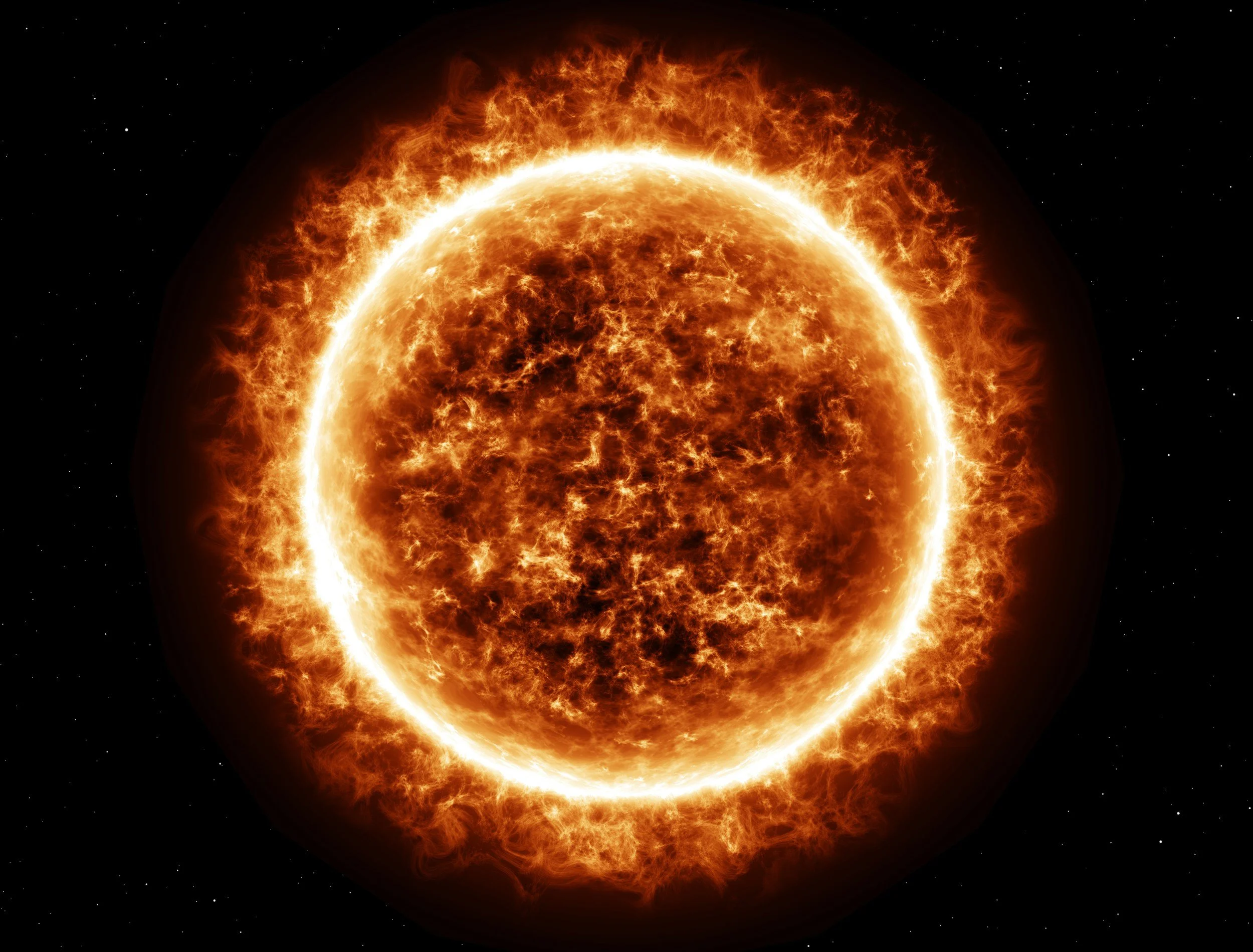
Solar flares and geomagnetic storms can cause radiation surges, sensor noise, and communication dropouts—often with little warning.
Our Solution:
We integrate global indices (Kp, Dst, proton flux, solar wind data) to deliver real-time environment severity maps. Our intuitive alerts classify conditions as Nominal, Moderate, or Severe, giving you the insight to safeguard your assets and schedule critical operations strategically.
Stay ahead of the storm.

2. Model Radiation & Shielding With Confidence
The Challenge:
Understanding how Earth’s magnetic field shields spacecraft is critical for payload safety—but modeling cutoff rigidity and exposure isn’t straightforward.
Our Solution:
Our Geomagnetic Transmission Function (GTF) module visualizes how magnetic shielding and radiation exposure change with altitude, latitude, and solar activity. Plan mission routes, analyze anomalies, and evaluate risk with clarity.
Quantify radiation exposure before you launch.
3. Unify Your Modeling Workflow
The Challenge:
Operators can juggle multiple disconnected tools—separate drag calculators, radiation codes, and weather data portals—leading to inefficiency and inconsistent results.
Our Solution:
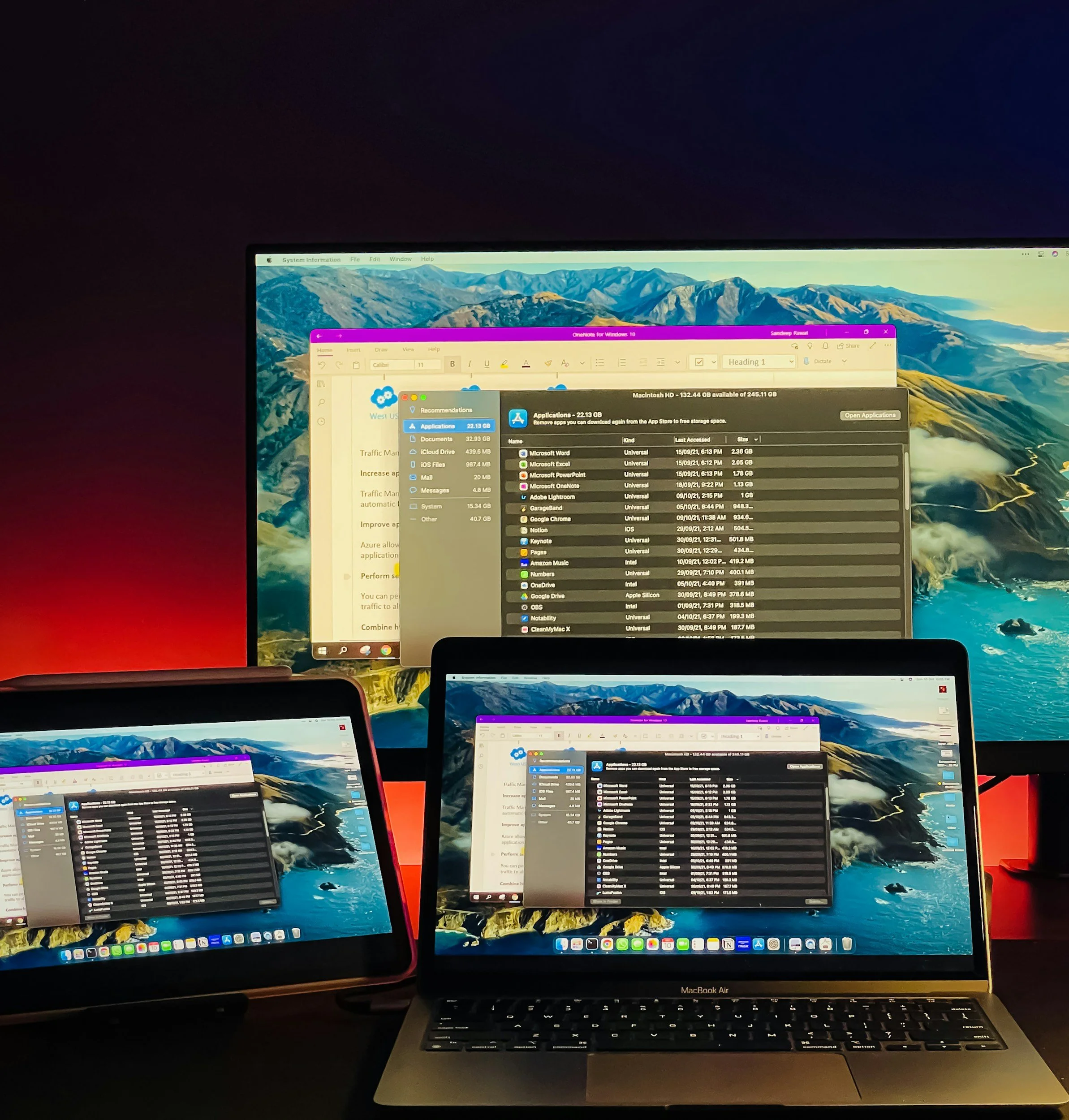
We bring it all together. Our modular platform merges drag, space weather, and geomagnetic modeling into a single, flexible interface. With an integrated API and a clean, user-centered design, you get consistency and control without complexity.
One platform. Unified insights.
4. Real-Time Adaptation for a Real-Time Environment
The Challenge:
Static models can’t keep pace with a dynamic space and atmospheric environments. Operators often work from outdated data during solar or geomagnetic events.
Our Solution:
Our system automatically syncs with live feeds from NOAA SWPC, GFZ Potsdam, and NASA OMNI to keep your models current. Visual updates show how new space weather data affects drag, radiation, and orbit conditions...instantly.
Models that evolve as fast as weather does.

5. Clear, Easy-To-Use Visualization
The Challenge:
Raw data alone doesn’t tell the full story — especially when teams need to make fast, collaborative decisions.
Our Solution:
Our interactive 3D visualizations bring complex space and atmospheric processes to life — from orbit paths and drag forces to geomagnetic transmission. See your mission environment evolve in real time and share clear, actionable visuals with your team.
See the invisible, from magnetosphere to orbit.

6. Predict the Unpredictable: Atmospheric Drag Modeling
The Challenge:
Satellite orbits decay faster than planned during geomagnetic storms and density spikes, leading to unplanned maneuvers and lost mission time.
Our Solution:
Our adaptive drag modeling engine combines real-time atmospheric data with space weather inputs like Kp, Ap, and F10.7 to forecast density fluctuations before they affect your orbit. Visualize drag changes, anticipate reentry timelines, and plan maneuvers with confidence.
Predict and plan for drag before it disrupts your mission.

7. In-App Analyzer
The Challenge:
Most space-environment and atmospheric-modeling tools generate datasets and stop there: dense plots, unfamiliar units, and cryptic parameters. They assume you already know how to interpret every curve and contour. If you don’t have a PhD in space physics or atmospheric science, you’re on your own.
Our Solution:
With our optional, built-in Analyzer tool, your results come with real context. The analyzer automatically interprets model outputs, compares them to known thresholds, and tells you what the data means operationally, not just what it is. Whether the environment is nominal, elevated, or severe, the analyzer provides a clear, plain-language assessment and highlights potential risks relevant to your mission or system.